
The short answer
Don't interrupt the meal. Use a subtle table or receipt QR code, send a short follow-up after online bookings and takeaway orders where you have permission, respond calmly to criticism and look for patterns in what diners mention. Never offer free food for a five-star review.
- Let diners finish before asking.
- Subtle QR codes and booking follow-ups do the work.
- No free desserts or discounts in exchange for reviews.
01Don't interrupt the meal
For restaurants, Google reviews can shape a customer's decision before they ever see the menu.
Someone searching for dinner in a new neighbourhood may compare restaurants based on location, photos, ratings and recent feedback.
A restaurant with thoughtful, current reviews can make a stronger impression than one whose last review appeared months ago.
But there's a catch.
The last thing diners want is to be interrupted during a meal and asked to give your restaurant five stars.
A good review strategy respects the dining experience while making it easy for customers to share genuine feedback.
The best time to request a review usually isn't while customers are eating.
Your staff should focus on hospitality, not review collection.
A simple, optional mention when guests are leaving may be appropriate, but avoid asking diners to complete a review in front of staff.
Customers should feel free to leave feedback later, in their own words.
 Related guide7 Ways Plumbing Companies Can Get More Google Reviews After Every Job
02Use a subtle QR code
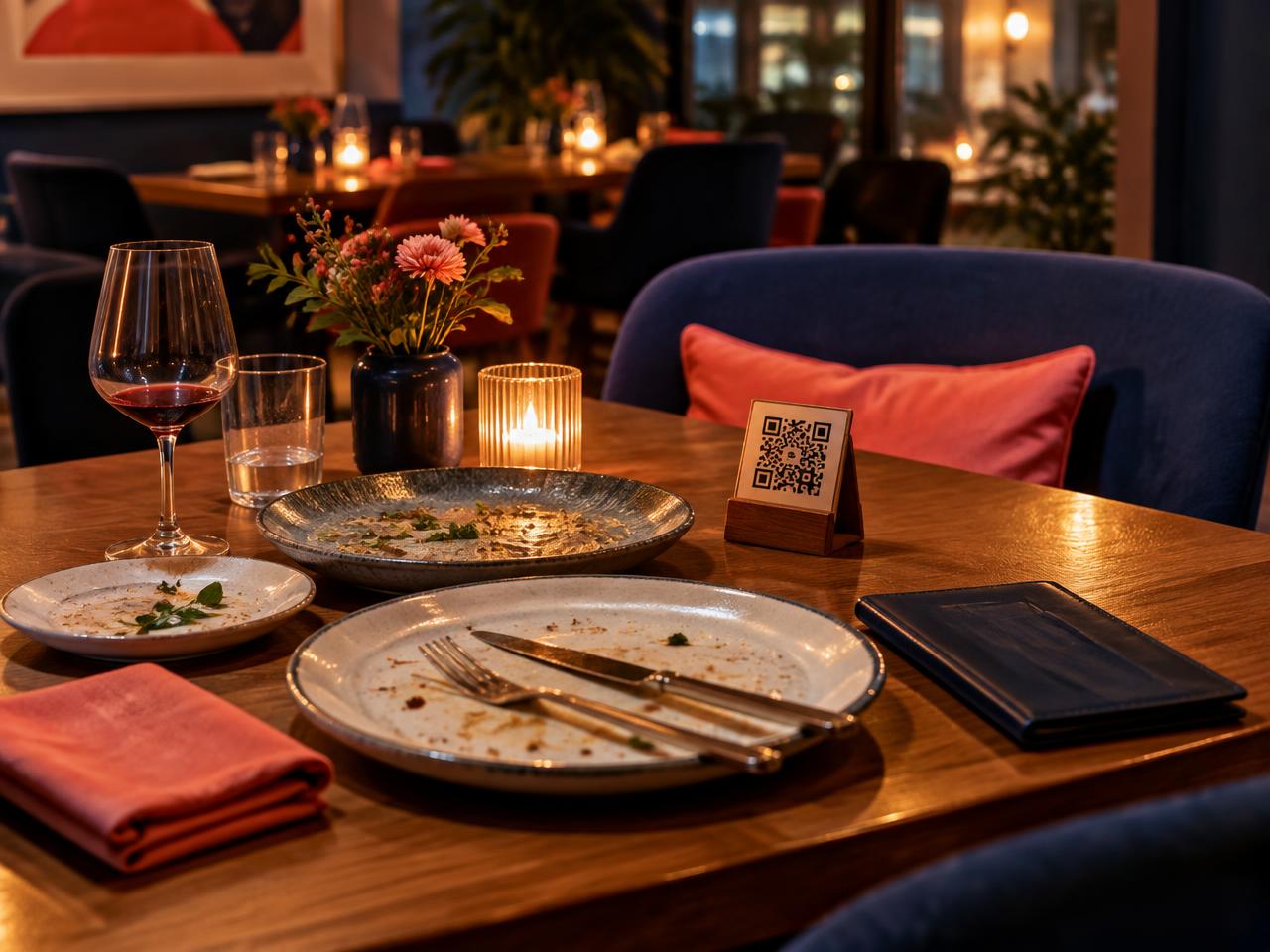
A small Google review QR code can work on a receipt, takeaway insert or other appropriate customer-facing material.
It should be easy to find without dominating the table.
For example:
Enjoyed your visit? We'd love your honest feedback.
Scan to review us on Google.
The QR code should lead directly to your review form.
You can create one with Ranknua's free Google Review QR Code Generator.
Test it on multiple phones before printing.
03Follow up after online bookings where appropriate
If a customer has booked through your own reservation system, you may have an existing communication channel.
Depending on the customer's permissions and applicable messaging rules, you may be able to send a short post-visit feedback request.
Hi Alex,

Thanks for dining with us at [Restaurant Name].

We hope you enjoyed your visit. If you'd like to share your experience, we'd really appreciate an honest Google review.

[Review link]

Thanks again,
The [Restaurant Name] team
Don't assume that having a booking email address automatically permits every type of follow-up marketing message.
04Include review links in takeaway workflows
Takeaway and delivery customers are often overlooked.
If you operate your own ordering system, consider including a review link in an appropriate post-order message or printed order insert.
Be careful with third-party delivery platforms. Their terms and communication permissions may limit how you can contact customers.
A takeaway review request might say:
"Thanks for ordering from us. We'd love to hear what you thought. Leave an honest Google review here: [link]."
Keep it simple.
05Give customers something worth reviewing
No review-request tactic can compensate for consistently disappointing food or service.
Focus on the experience itself:
- Food quality and consistency
- Friendly service
- Accurate orders
- Clear menus
- Cleanliness
- Reasonable waiting times
- Handling problems professionally
When customers have something memorable to say, reviews become easier to earn.
06Respond to reviews without becoming defensive
Restaurants attract subjective feedback.
One guest may love the atmosphere while another finds it too loud. A dish one person considers excellent may disappoint someone else.
For positive reviews, thank the customer naturally.
For negative reviews, acknowledge the concern and avoid arguing publicly.
Example response:
"Thank you for sharing your feedback. We're sorry your visit didn't meet expectations. We take comments about service seriously and would welcome the opportunity to understand what happened. Please contact our management team directly."
Don't accuse reviewers of lying simply because you disagree with their account.
If a review genuinely violates Google's policies, use the platform's reporting process.
07Monitor what customers repeatedly mention
Review trends can help restaurant owners identify operational problems.
Look for repeated comments about:
- Slow service at peak times
- Inconsistent food temperatures
- Booking problems
- Staff friendliness
- Portion sizes
- Noise levels
- Takeaway packaging
One negative review may be an isolated experience.
Ten reviews mentioning the same issue deserve attention.
Ranknua's review insights tools are designed to help businesses monitor reputation performance.
08Make reviews a natural part of hospitality
The best restaurant review strategy doesn't feel like a campaign.
It gives customers a convenient way to share their experience without interrupting the service they're paying for.
Start with a direct review link, an unobtrusive QR code and a professional approach to responding.
For more ways to simplify review requests, explore Ranknua.
Frequently asked questions
Can restaurants put Google review QR codes on tables?+
Yes, but keep them unobtrusive and avoid pressuring guests to review during their meal.
Can restaurants offer a free dessert for a five-star review?+
No. Google prohibits incentives in exchange for reviews.
Should restaurants respond to every Google review?+
A consistent response process is useful, particularly for substantive feedback. Responses should be genuine rather than repetitive or automated without review.
Can restaurants request reviews after online bookings?+
Potentially, provided the communications comply with applicable consent, privacy and platform requirements.
Sources
General guidance, not legal advice. Google’s features and rules change; check the linked pages.